EPA report says pesticides endanger wildlife
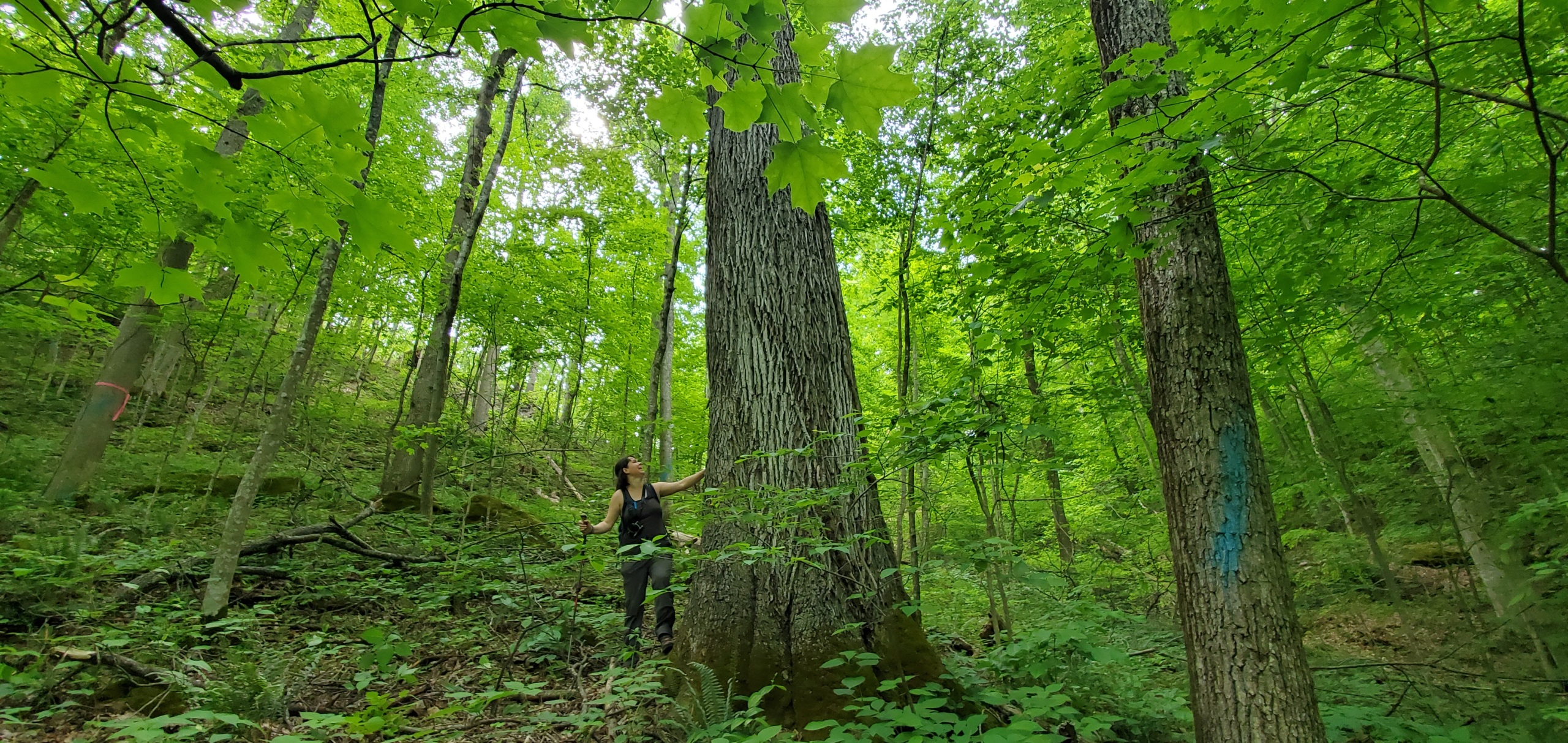
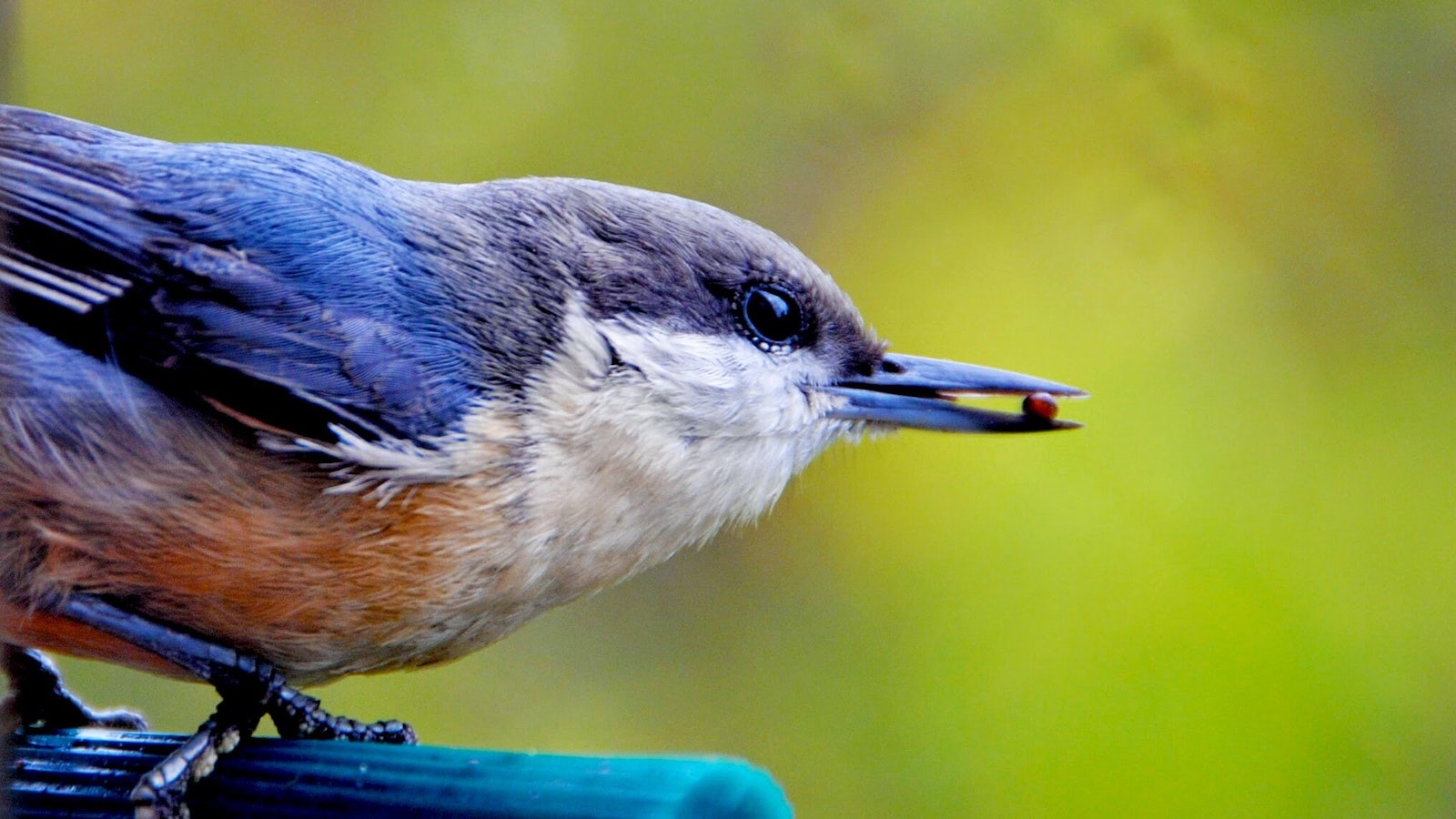
An EPA report found that commonly used pesticides are threatening 80% of the country’s endangered species.

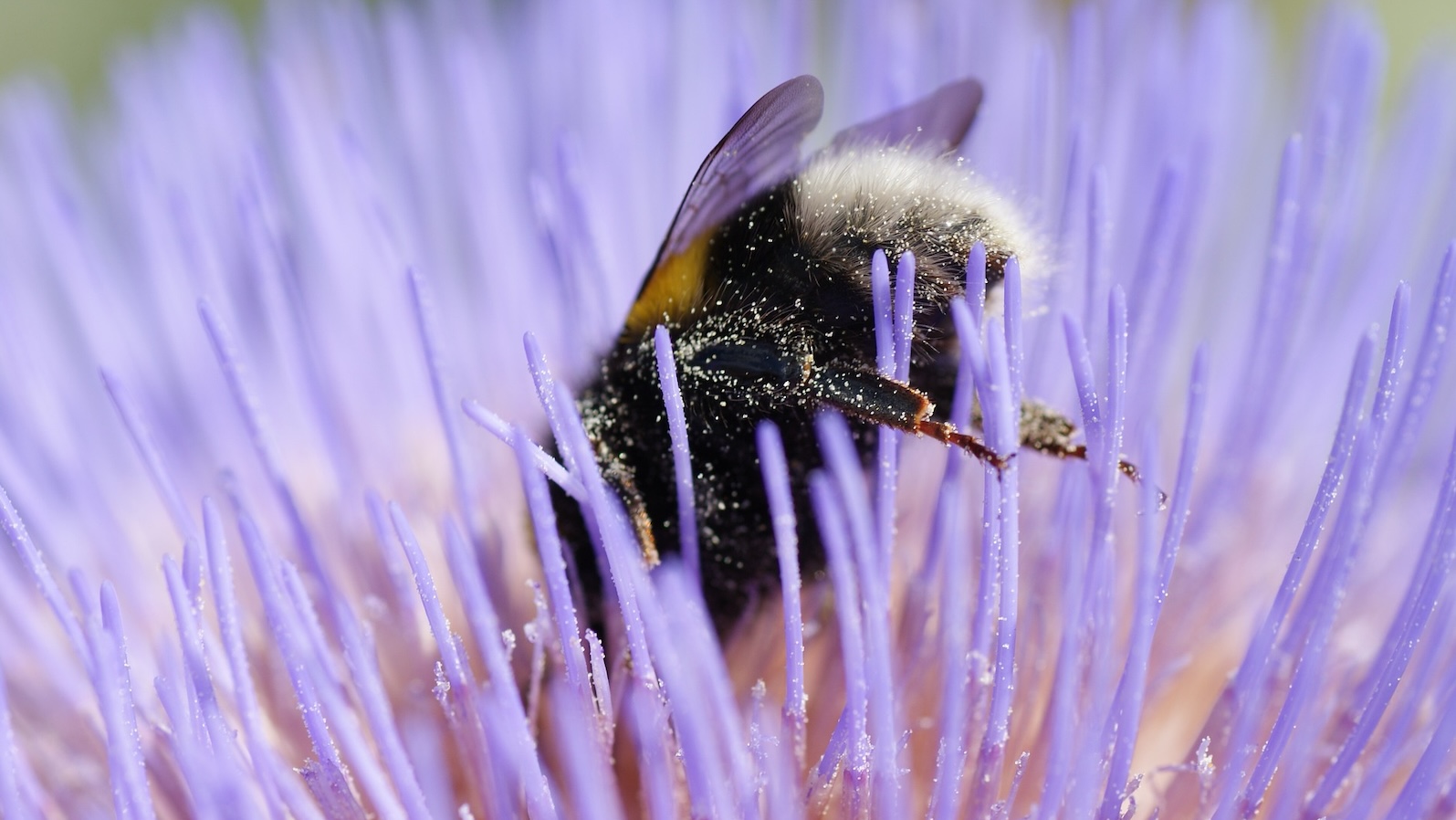
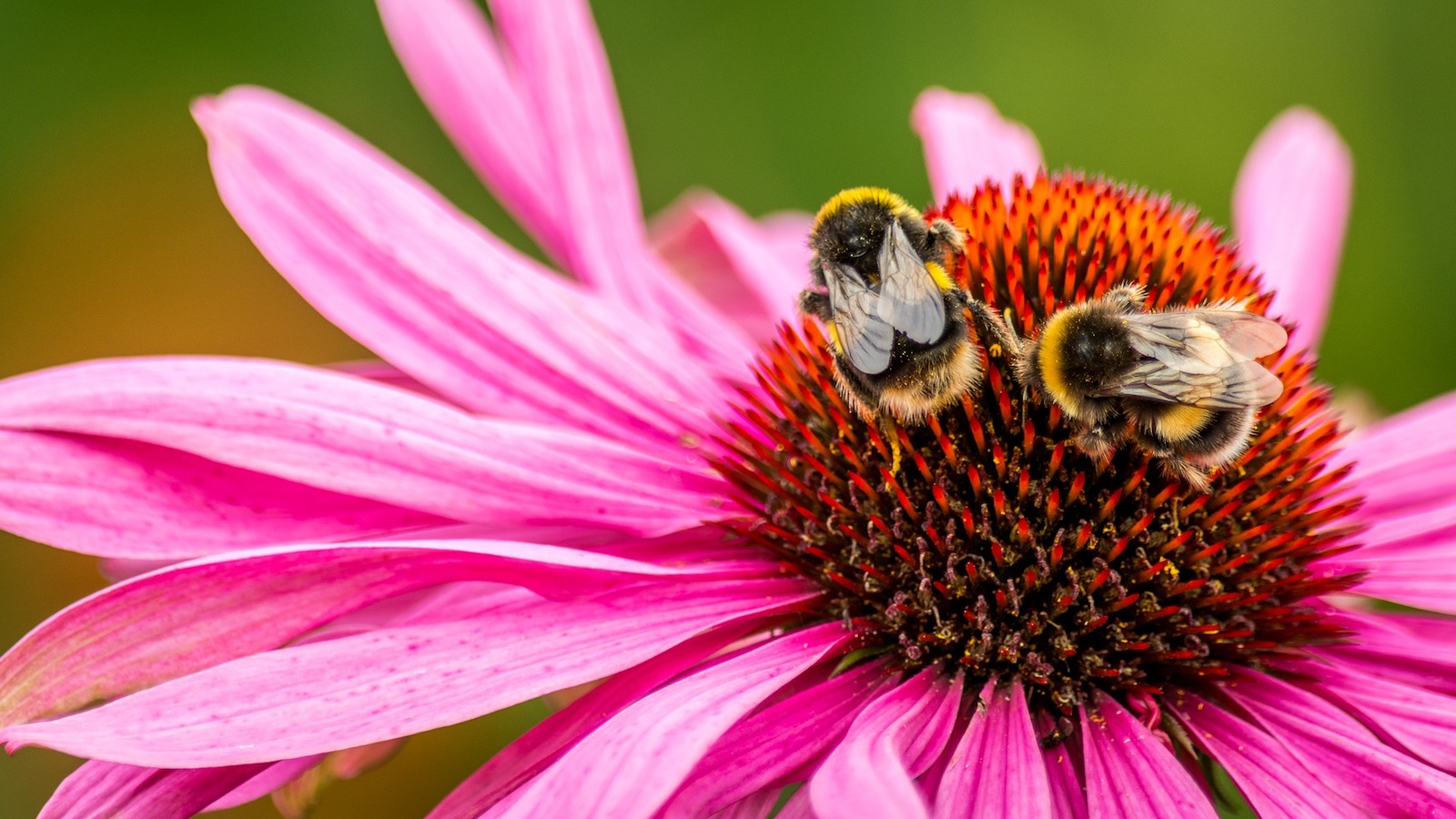
To save the bees from a horrible fate, we need to ban the worst uses of bee-killing pesticides. Make a gift this Earth Day to help save the bees.
Working together for clean air, clean water, clean energy, wildlife, open spaces and a livable climate.
An EPA report found that commonly used pesticides are threatening 80% of the country’s endangered species.

Protecting our natural environment is our human responsibility. We don't own nature—we're a part of it. The solutions are out there. The first step is to call our elected officials in Harrisburg and Washington, D.C. Let them know we'll vote them out if they don't act now.Martha Morgan, Member, PennEnvironment

I encourage everyone to care for our environment because every aspect of our lives depends upon it, and we are the ones responsible for its care and preservation.Theresa Gallant, Member, Environment Washington

It is now apparent that we need to take significant action in the next few years if we are to have any chance of avoiding the really significant impacts of a changing climate.Bruce Parker, Member, Environment America

I support Environment America because I think we need more than individual action.Sara Rahimian, Member, Environment America

It's a real privilege to do this work. It can be frustrating at times, it can be tedious at times, but it's also incredibly rewarding.Emily Rusch, Vice President and Senior Director of State Offices